
Registered Nursing Certificate at Columbiana CTC: Fast-Track
The Registered Nursing Certificate at Columbiana CTC is a fast, in-person path to becoming an RN in under 2 years, offering hands-on clinical training and strong career prospects.

By Diana Tillotson
For those who feel the call to healthcare but want a faster route than a four-year degree, the Registered Nursing/Registered Nurse Certificate, 1 year to less than 2 years In-person at Columbiana County Career and Technical Center offers a focused path into one of the most stable and rewarding professions. This program is designed for individuals who are ready to commit to intensive, hands-on training and want to enter the workforce as a registered nurse (RN) in a relatively short time. In an industry where demand for qualified nurses continues to rise, this certificate can be the key to unlocking a career filled with purpose, job security, and opportunities for advancement. This article explores the specifics of the program, its benefits, and how you can determine if this in-person, fast-paced route is the right choice for your future.
What Is the Registered Nursing/Registered Nurse Certificate Program?
The Registered Nursing/Registered Nurse Certificate, 1 year to less than 2 years In-person at Columbiana County Career and Technical Center is a comprehensive training program that prepares students for the National Council Licensure Examination for Registered Nurses (NCLEX-RN). Unlike a traditional associate or bachelor's degree, which typically takes two to four years, this accelerated certificate option condenses the essential coursework and clinical experiences into a timeframe of one to two years. The curriculum is rigorous and designed to cover the core competencies required for entry-level registered nursing practice, including anatomy, physiology, pharmacology, nursing fundamentals, and specialized areas like pediatrics, geriatrics, and mental health.
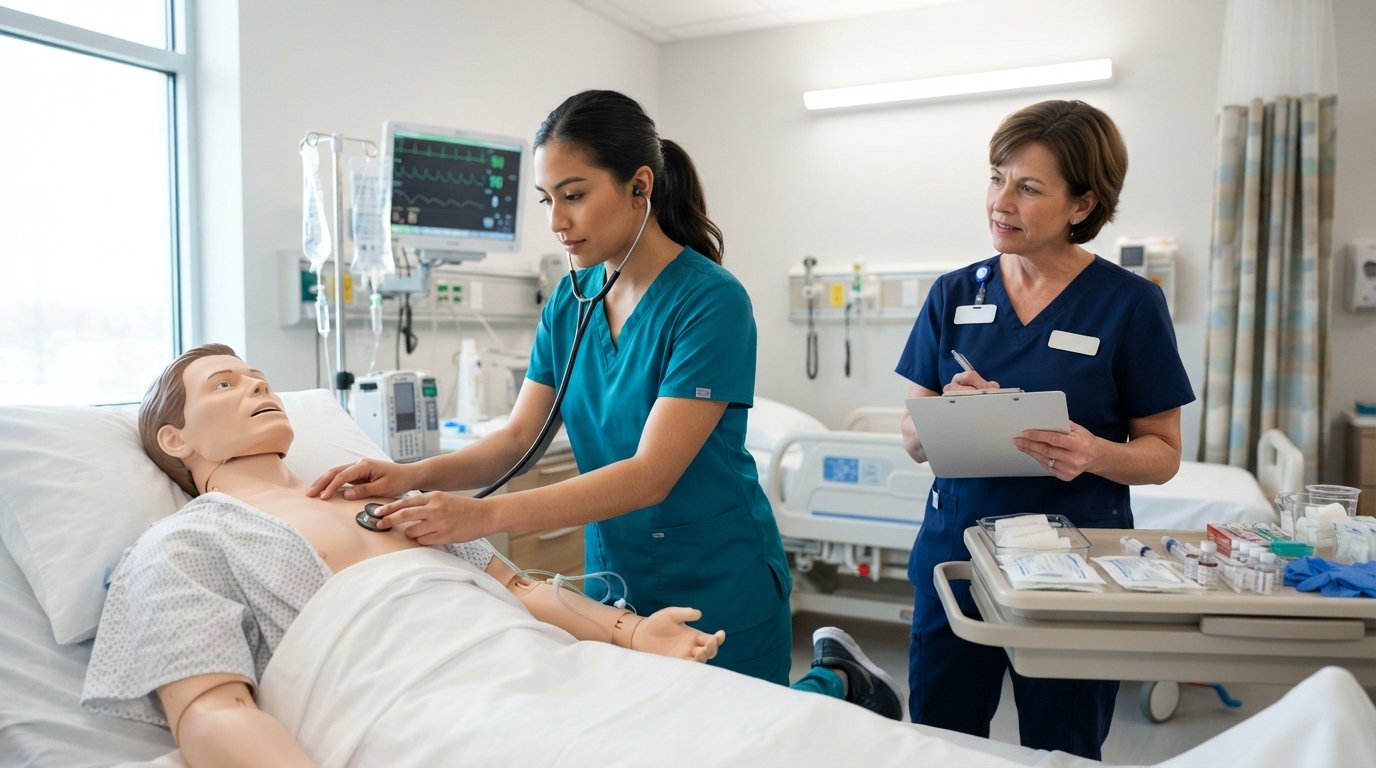
What sets this program apart is its in-person nature. While online nursing programs exist for certain degrees, the clinical skills required for nursing are best learned through direct, hands-on practice. Students at Columbiana County Career and Technical Center spend significant time in simulation labs and clinical rotations at local healthcare facilities, working under the supervision of experienced nurses and instructors. This immersive approach ensures that graduates are not only knowledgeable but also confident and competent in their practical skills. For prospective students who thrive in a structured, collaborative, and physically present learning environment, this format is a significant advantage.
Why Choose Columbiana County Career and Technical Center?
Columbiana County Career and Technical Center (CCCTC) is a well-regarded institution in Ohio, known for its career-focused programs and strong ties to the local community. Choosing the Registered Nursing/Registered Nurse Certificate, 1 year to less than 2 years In-person at Columbiana County Career and Technical Center means learning from dedicated instructors who bring real-world experience into the classroom. The center often has established partnerships with regional hospitals and clinics, which can facilitate valuable clinical placements and sometimes even lead to job offers upon graduation. For students who prefer a more intimate, focused educational setting over a large university, CCCTC offers a supportive atmosphere with smaller class sizes and personalized attention.
Furthermore, the practical, career-oriented approach of the center aligns perfectly with the demands of the nursing field. The program emphasizes not just theory but also the development of critical thinking, communication, and technical skills. Students learn how to assess patients, administer medications, operate medical equipment, and collaborate with other healthcare professionals. This pragmatic focus means that when you graduate, you are not just a student with a certificate, but you are a job-ready professional. For many, the decision to attend a career and technical center is about getting the most value for their educational investment, and this program is structured to deliver exactly that.
Curriculum and Clinical Training: What to Expect
The curriculum for the Registered Nursing/Registered Nurse Certificate, 1 year to less than 2 years In-person at Columbiana County Career and Technical Center is demanding but structured to build your skills progressively. In the first few months, you will likely take foundational courses in anatomy, physiology, and medical terminology. As you advance, you will move into core nursing courses that cover adult health, maternal and child health, psychiatric nursing, and community health. Each course is designed to build upon the last, creating a solid foundation of knowledge that is essential for safe and effective practice.
Clinical training is a cornerstone of the program. You will spend a substantial number of hours in a clinical setting, applying what you have learned in the classroom to real patients. These rotations might include medical-surgical units, emergency departments, intensive care units, and long-term care facilities. This hands-on experience is invaluable, as it allows you to:
- Develop proficiency in patient assessment and vital sign monitoring.
- Administer medications and perform nursing procedures under supervision.
- Improve your ability to communicate with patients, families, and the healthcare team.
- Build confidence in your critical thinking and problem-solving skills in a live environment.
After these clinical experiences, you will find that the transition from student to practicing nurse is much less daunting. The program is structured so that by the time you complete your certificate, you have a professional portfolio of clinical experiences that you can discuss in job interviews. This level of preparation is why graduates of intensive, in-person programs are often highly sought after by employers.
Admission Requirements and Prerequisites
To enroll in the Registered Nursing/Registered Nurse Certificate, 1 year to less than 2 years In-person at Columbiana County Career and Technical Center, you will need to meet specific admission requirements. While these can vary, most programs of this nature require a high school diploma or GED, and you may need to complete prerequisite courses in subjects like biology, chemistry, and algebra. Because the program is competitive, you may also need to pass a nursing entrance exam, such as the TEAS (Test of Essential Academic Skills). It is essential to check the specific requirements on the CCCTC website or contact their admissions office for the most current information.
Additionally, you will likely need to undergo a background check and provide proof of immunizations before starting clinicals. Some programs also require CPR certification. Planning ahead for these administrative steps is crucial, as they can take time to complete. The admissions team at CCCTC can guide you through this process, but it is wise to start early. The application process typically opens months before the start of the program, and spaces can fill quickly due to high demand. To secure your spot, it is recommended to apply as soon as possible and ensure all your documents are in order.
Career Pathways and Salary Expectations for RNs
Upon successful completion of the Registered Nursing/Registered Nurse Certificate, 1 year to less than 2 years In-person at Columbiana County Career and Technical Center and passing the NCLEX-RN, you become a licensed registered nurse. The career opportunities are vast and varied. You can work in hospitals, clinics, nursing homes, schools, home health agencies, and many other settings. According to the U.S. Bureau of Labor Statistics, the median annual wage for registered nurses was over $86,000 in 2024, and the field is projected to grow much faster than the average for all occupations. This job security is a major draw for many students.
Your career path as an RN does not have to stop with your certificate. Many nurses use their RN license as a stepping stone to pursue further education, such as a Bachelor of Science in Nursing (BSN) or a Master of Science in Nursing (MSN). Hospitals often offer tuition reimbursement programs to encourage their nurses to advance their degrees. With a BSN, you might qualify for roles in management, public health, or specialized nursing. With an MSN, you could become a nurse practitioner, nurse educator, or nurse administrator. The certificate is not a dead end, but rather a rapid entry point into a profession with endless possibilities for growth.
Comparing the Certificate to an Associate or Bachelor's Degree
When considering your nursing education, it is helpful to compare the certificate option to the more traditional paths. An Associate Degree in Nursing (ADN) typically takes two years, while a Bachelor of Science in Nursing (BSN) takes four years. The certificate program at CCCTC, which lasts one to two years, is more accelerated. The primary advantage of the certificate is speed: you can enter the workforce sooner and start earning a salary and gaining experience. For many, this is a critical factor, especially for those changing careers or supporting a family.
However, it is important to note that some hospitals, particularly magnet-status facilities, may prefer or require nurses to hold a BSN. You may also find that a BSN offers more opportunities for leadership roles. But the certificate is an excellent starting point. Many students who complete the certificate later enroll in online RN-to-BSN programs, allowing them to work while they continue their education. This pathway allows you to have a career and earn an income while you advance your credentials. For a comprehensive look at how different educational levels can shape your career, you might find it useful to explore other career outcomes. In a related context, we have previously discussed how fast-track certificate programs can accelerate your entry into a professional field, a principle that applies directly to nursing.
Financing Your Education
Investing in your education is a significant decision, and the cost of the Registered Nursing/Registered Nurse Certificate, 1 year to less than 2 years In-person at Columbiana County Career and Technical Center will be a consideration. Fortunately, there are several options to help you finance your studies. You can start by filling out the Free Application for Federal Student Aid (FAFSA) to see if you qualify for federal grants, loans, or work-study programs. Many students also receive scholarships from the school itself, local community organizations, or professional nursing associations. The financial aid office at CCCTC can be an invaluable resource in helping you identify and apply for these opportunities.
Additionally, because the program is relatively short, the total cost may be lower than a four-year degree, and you will be able to start earning a salary much sooner. Some employers also offer tuition assistance or loan repayment programs for nurses who commit to working for them after graduation. It is wise to explore all these avenues and create a budget to manage your finances during your time in the program. If you are planning to compare multiple schools or programs, a resource like HigherEducationAdvisor can help you connect with various educational options and request information from participating schools, all without any obligation to enroll.
Success in the Program: Tips for Students
Success in an accelerated nursing program requires discipline, effective time management, and a strong support system. The pace is fast, and the material is dense. Here are some strategies to help you thrive:
- Stay organized: Use a planner or digital calendar to track assignments, exams, and clinical schedules.
- Form study groups: Collaborating with peers can help you understand complex topics and stay motivated.
- Utilize faculty office hours: Do not hesitate to ask for help when you need it. Instructors are there to support you.
- Prioritize self-care: Getting enough sleep, eating well, and taking breaks are essential for maintaining the mental and physical stamina required.
Remember that you are not alone in this journey. Your classmates are going through the same challenges, and the faculty wants you to succeed. Building a network of peers and mentors during your training can provide emotional support and professional connections that last throughout your career. The intensity of an accelerated program forges strong bonds, and many graduates find lifelong friends and colleagues from their cohort.
Beyond the Certificate: Licensure and Job Search
After you complete the program, your next step is to pass the NCLEX-RN. This is a comprehensive exam that tests your knowledge and ability to practice safely as an entry-level nurse. The program at CCCTC is designed to prepare you thoroughly for this exam, but you will also need to dedicate time to studying and taking practice tests. Once you pass, you can apply for a nursing license in the state where you wish to work. The licensing process involves a background check and a fee, but your school will guide you through the application.
When it comes to the job search, your clinical rotations often provide the best leads. Many students are hired by the facilities where they completed their clinical hours. If not, you can leverage your instructors' connections and the career services department at CCCTC. Your resume should highlight your clinical experiences and the specific skills you gained. Be prepared to discuss your training in interviews and to demonstrate your passion for patient care. The demand for nurses is high, so with your new credentials and practical experience, you will be in a strong position to find a rewarding position quickly.
Choosing the Registered Nursing/Registered Nurse Certificate, 1 year to less than 2 years In-person at Columbiana County Career and Technical Center is a serious commitment, but it is one that can pay off immensely. The accelerated timeline, combined with the in-person, hands-on training, provides a unique and effective pathway into the nursing profession. If you are ready to take the next step toward a stable, meaningful, and in-demand career, this program could be your ideal starting point. Take the time to visit the campus, speak with the admissions staff, and see if this environment feels like the right fit for you. Your future in nursing may be just one decision away.